.2604160905581.png)
What Is Carbon Monoxide?
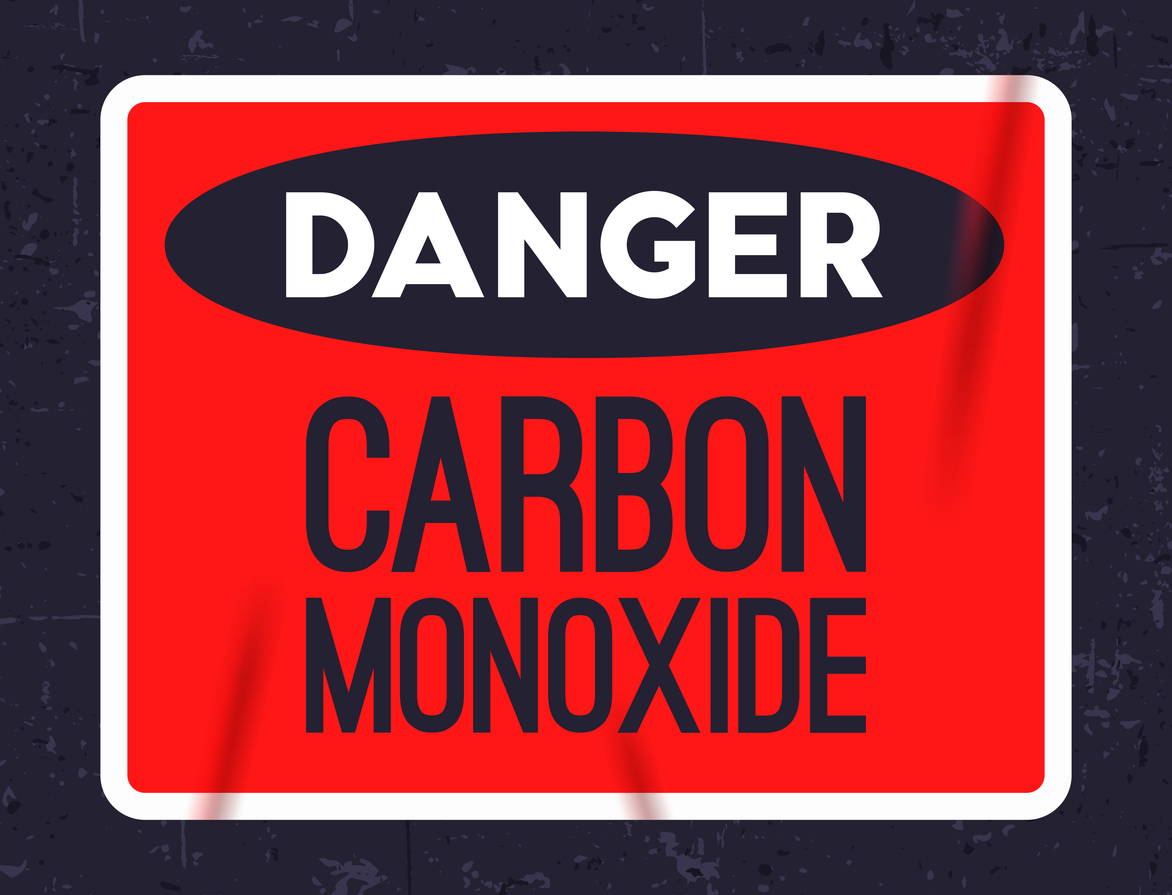
Carbon monoxide (CO) is a colorless, odorless gas produced when fuel doesn't burn completely. In the home, the most common source is a gas furnace with a cracked heat exchanger or a faulty combustion system. When your furnace runs, it ignites gas to heat a metal wall called the heat exchanger. If that wall is damaged, carbon monoxide can escape into your ductwork and circulate through your home instead of venting safely outside.
CO poisoning is more common than most homeowners realize. The CDC reports that unintentional CO poisoning not linked to fires causes hundreds of deaths and tens of thousands of ER visits and hospitalizations in the U.S. each year.
Can a Furnace Really Leak or Cause Carbon Monoxide?
Yes — a furnace is one of the most common household sources of carbon monoxide.
Any fuel-burning furnace can leak CO if:
- The heat exchanger has a crack (often invisible to the naked eye)
- The vent pipe or flue is blocked, disconnected, or improperly installed
- The burner isn't combusting fuel completely due to poor maintenance or airflow
A furnace that's working correctly vents combustion byproducts, including CO, safely outside the home. It's only when something goes wrong mechanically that CO becomes a risk indoors.
Does Furnace Type Matter for CO Risk? Gas vs. Oil vs. Electric
Not all furnaces carry the same carbon monoxide risk, and this is a common point of confusion.
- Gas furnaces are the most frequent source of CO leaks in homes, since they burn natural gas or propane to generate heat.
- Oil furnaces can also produce carbon monoxide, since they burn fuel oil in a similar combustion process. Leaks typically stem from the same causes: a cracked heat exchanger or venting issues.
- Electric furnaces do not burn fuel, so they don't produce carbon monoxide directly. However, electric furnaces are often paired with gas water heaters, stoves, or fireplaces elsewhere in the home, so a CO detector is still essential even if your furnace itself is electric.
Normal vs. Dangerous Carbon Monoxide Levels
Furnace exhaust naturally contains some carbon monoxide as a combustion byproduct — that's expected and, when properly vented outside, not dangerous. Problems arise when CO escapes into livable space rather than venting outdoors. Because sniffing out "normal" from "dangerous" isn't something you can safely judge on your own, this is exactly what CO detectors and professional combustion analyzers are designed to catch. If your CO detector goes off at any level, leave the home and treat it as an emergency rather than trying to interpret the reading yourself.
Signs and Symptoms of Carbon Monoxide Poisoning
CO poisoning symptoms can be easy to mistake for the flu or general fatigue, which makes them dangerous to ignore:
- Dizziness or lightheadedness
- Weakness and severe fatigue
- Nausea or vomiting
- Confusion or disorientation
- Headaches
A telltale sign of CO poisoning (rather than illness) is that symptoms improve when you leave the house and return when you're back inside. If you or anyone in your home experiences these symptoms, get to fresh air immediately and seek medical attention.
How to Prevent and Respond to a Carbon Monoxide Leak
Prevention:
- Change your furnace filter every 30-60 days. A clogged filter restricts airflow and can cause the heat exchanger to overheat, increasing the risk of cracking.
- Install CO detectors on every level of your home. Basements and closed-off rooms are especially prone to trapped gas. Check batteries regularly.
- Keep vents and air intakes unobstructed. Blocked airflow makes your furnace work harder and can contribute to combustion problems.
- Schedule annual furnace maintenance with a certified technician. Heat exchanger cracks are often invisible without professional inspection equipment.
If you suspect a leak:
Don't attempt to diagnose or fix a cracked heat exchanger yourself — this is a job for a certified HVAC technician with the right combustion testing tools. If your CO detector sounds, evacuate the home, get everyone to fresh air, and call for emergency help before calling for furnace repair.
Frequently Asked Questions About Furnaces & Carbon Monoxide
Can carbon monoxide leak from a furnace that's turned off?
It's a common misconception that a furnace only poses a CO risk while it's actively running. In reality, CO can still be present if:
- A pilot light remains lit
- The heat exchanger is cracked and residual gas or exhaust lingers in the system
- Nearby appliances (like a water heater sharing the same flue) continue producing CO
If your CO detector alarms even when the furnace isn't actively heating, don't assume it's a false alarm — treat it as a real leak until a technician confirms otherwise.
Can carbon monoxide travel through air vents and ductwork?
Yes. Because forced-air furnaces distribute heat through your home's ductwork, a CO leak at the heat exchanger can be pushed through the same vents that deliver warm air to every room. This is why CO can spread quickly through a house and why it's important to have a CO detector on every level of your home, not just near the furnace itself.
Do other HVAC systems carry a carbon monoxide risk?
Many people mistakenly believe that furnaces are the only source of carbon monoxide in the home. In reality, any appliance that burns fuel can potentially produce CO, including:
- Gas water heaters – like furnaces, these rely on combustion and can leak CO if the flue is blocked or the unit malfunctions.
- Boilers – fuel-burning boilers carry the same heat-exchanger and venting risks as gas furnaces.
- Gas fireplaces and stoves – improperly vented units can allow CO to build up indoors.
- Generators and other fuel-powered equipment – especially dangerous when run in garages or enclosed spaces.
Air conditioners and electric heat pumps, on the other hand, don't burn fuel, so they don't produce carbon monoxide directly. That said, an AC system that shares ductwork or a flue with a gas appliance can still play a role in how CO spreads through your home. For a closer look at this specific question, check out our guide on whether air conditioners can produce carbon monoxide.
Schedule Your Furnace Safety Service Today
Triple T's certified technicians are trained to inspect your furnace for CO risks, repair heat exchanger issues, and help you install detectors throughout your home. If you're in Utah County or Washington County, don't wait for symptoms to appear. Have your furnace checked before you turn it on for the season!
Schedule your furnace safety inspection today by calling (435) 253-6279.
The post Carbon Monoxide and Your Furnace appeared first on Triple-T Heating, Cooling, Plumbing & Electrical.